Your Grande Dunes Second Home Guide for 29572 Buyers
February 19, 2026
February 19, 2026
Picture your ideal second home: morning walks to a private beach club, a quick tee time, dinner overlooking the water, and an easy handoff to trusted services when you head back north. If that sounds right, Grande Dunes in Myrtle Beach might be on your shortlist. As a large, amenity-rich community in 29572, it offers golf, a marina, tennis, and a private Ocean Club that attract many second-home owners and snowbirds. This guide shows you how it really works here, from memberships and HOAs to rental rules, seasonality, and a practical buyer checklist. Let’s dive in.
Grande Dunes spans oceanfront and Intracoastal Waterway areas with a true resort footprint. You will find a private Ocean Club with oceanfront pools, dining, and social events, a Members Club for golf, a tennis and fitness club, and on-site hospitality. Many of these amenities operate through a membership model, so it is smart to confirm what comes with ownership and what is optional. Explore the community overview on the official site for a sense of scale and lifestyle value at Grande Dunes.
The full-service marina is a signature feature for boaters, with commercial-grade docks and a reported 126 wet slips. If boating is a priority, verify slip availability, any waiting lists, and separate fees with the marina office noted on the community page. Golf, tennis, and the Ocean Club run year-round with a lighter winter schedule, which supports an active off-season for part-time residents.
If you want a true lock-and-leave experience with potential turnkey rental options, high-rise condos in Grande Dunes are often a fit. Many have concierge-style services and HOAs that typically cover the building exterior, common areas, elevators, and shared utilities. Some buildings are rental-friendly, but rules vary by association. Always confirm the specific building’s rental policy and what the HOA dues include.
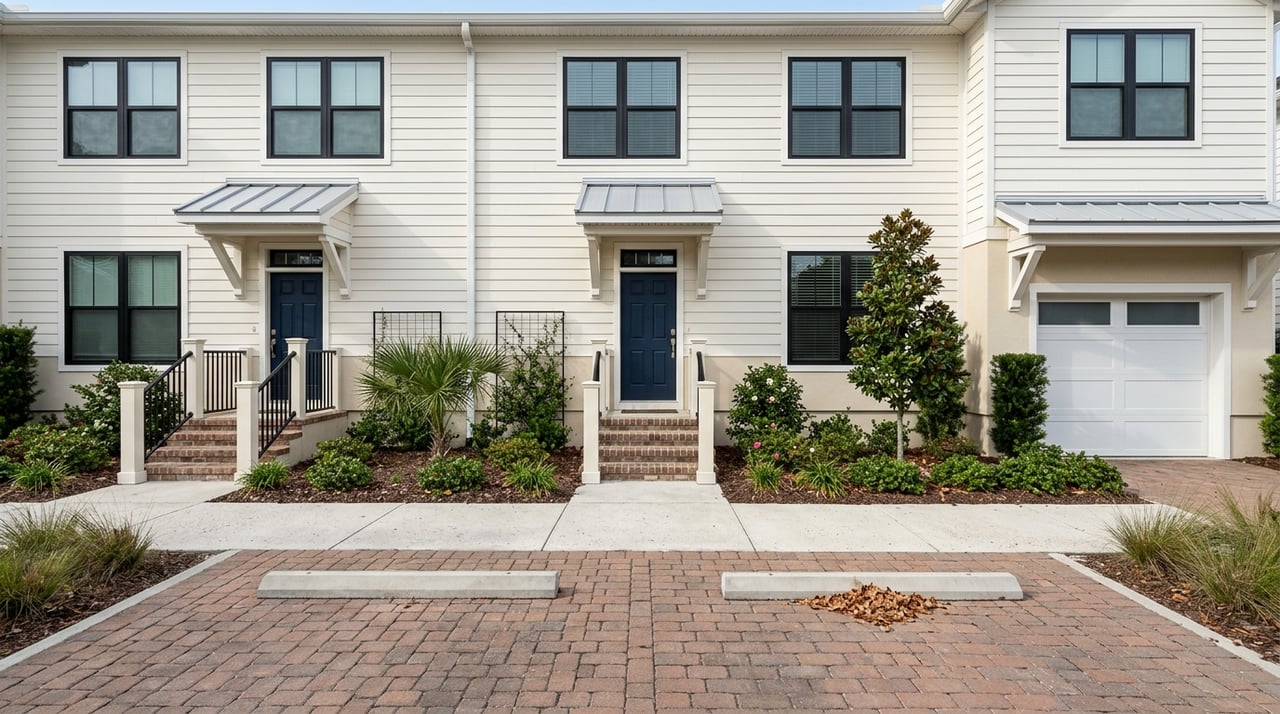
Townhomes marketed as maintenance-free offer more space than a condo with minimal exterior upkeep. These can include landscaping and exterior maintenance in the HOA. Rental policies differ by community, so verify whether short stays are allowed and if minimums apply. If you want low maintenance with some extra room for visiting family, townhomes can be a smart middle ground.
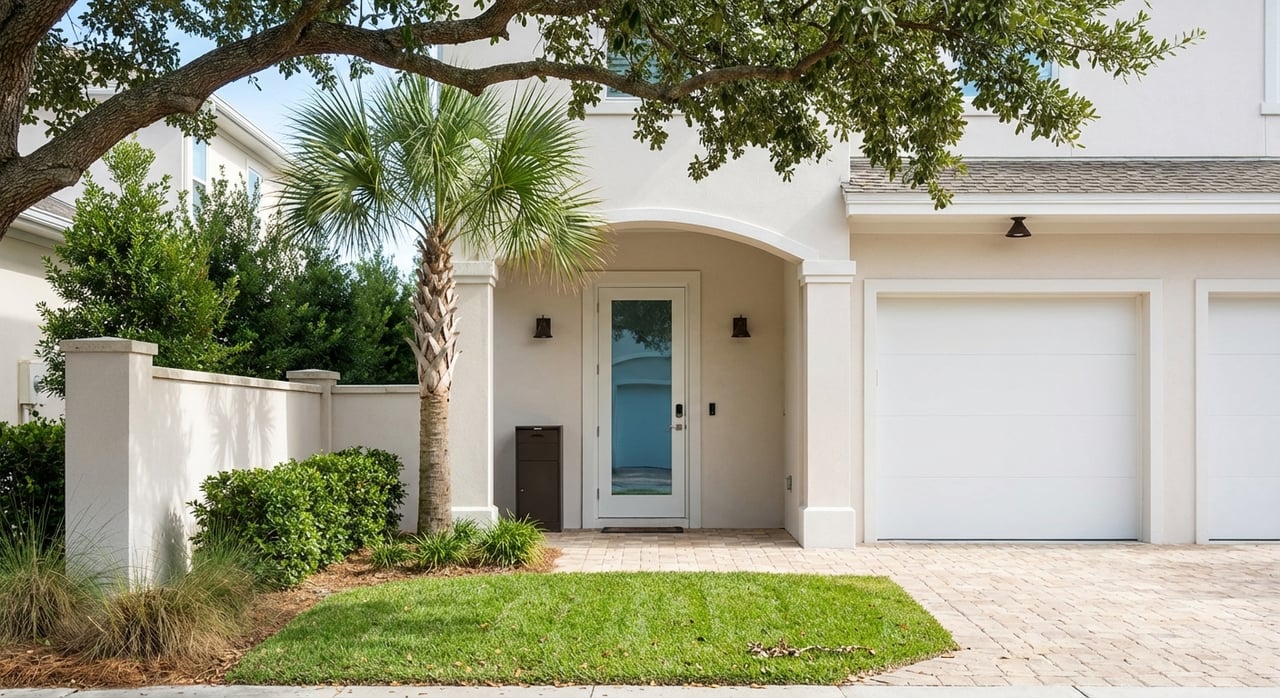
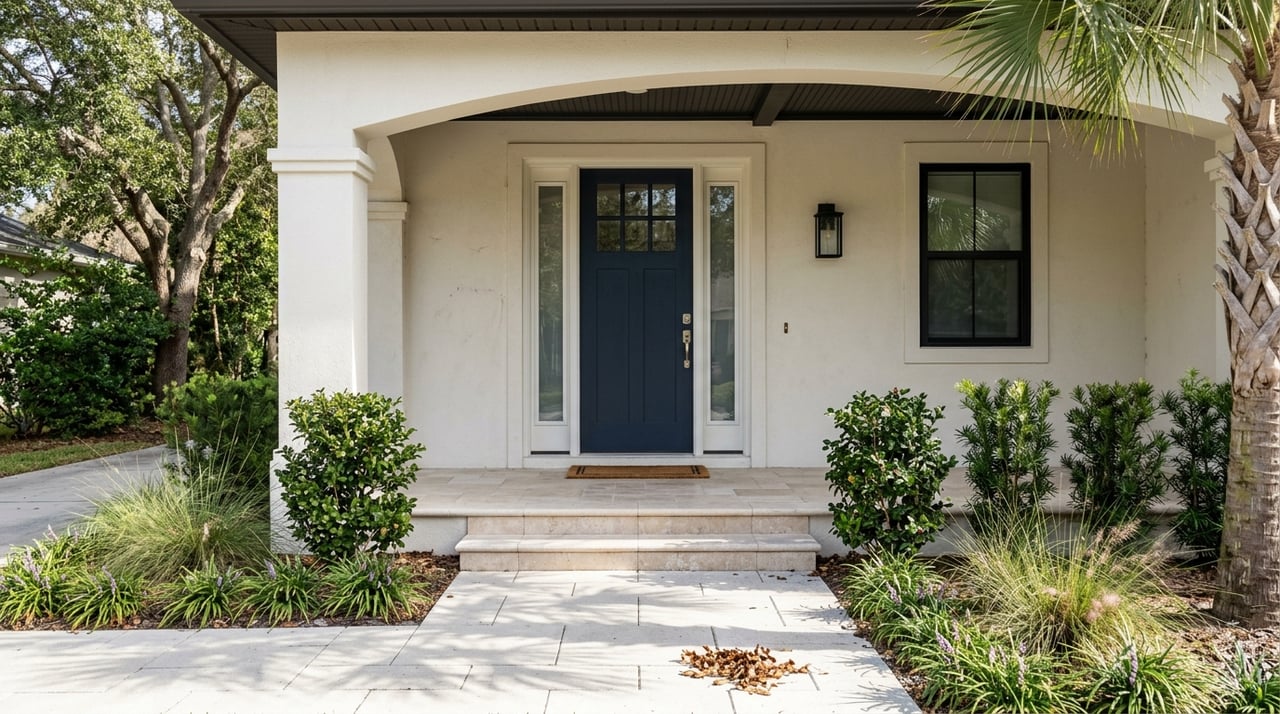
Detached homes in boutique neighborhoods like Living Dunes appeal to buyers who want a residential feel and longer personal stays. You will enjoy privacy and a front-porch lifestyle, but you should plan for more hands-on property management during vacancies. These homes can still work well for snowbirds who visit for months at a time.
Grande Dunes has age-restricted options that offer their own amenities and programming tailored to active adults. Review age rules and any rental minimums, which can be stricter than other sub-associations. These neighborhoods attract snowbirds who value structure, events, and easy social connections.
Grande Dunes offers tiered membership options that can include Ocean Club access and expanded privileges for social, sports, and golf. Benefits and fees can change and may differ by address. Before you write an offer, request the current membership packet that applies to your specific parcel to see what is included with title and what requires separate initiation or annual dues. You can preview the structure at the official membership page.
In high-rise resort buildings, HOAs often cover exterior and structural insurance, common-area maintenance, elevators, pools, and some utilities. This reduces on-site tasks for you, but dues reflect the service level. Townhome and single-family associations vary widely. In maintenance-free areas, the HOA might include landscaping, exterior care, and irrigation, while you remain responsible for items like storm shuttering, driveway maintenance, and interior systems. Always get the detailed “what’s included” list before you commit.
For second-home buyers, HOA health and rules matter. Ask for the CC&Rs, rental policy, budget, reserves, recent meeting minutes, and any special assessments. If you plan to rent, get clarity on minimum stays, owner-occupancy rules, guest registration, and platform restrictions. These documents determine how easily you can operate part-time or as a rental.
Myrtle Beach treats short-term rentals as visitor accommodations for stays under 90 days and permits them only in certain zones. Many strictly residential zones do not allow short stays. Review how the city defines and zones STRs using this summary of South Carolina short-term rental laws. In addition, a newly adopted overlay effective January 2025 prohibits converting certain STR buildings in the tourist corridor to long-term rentals. This helps protect the lodging base in targeted blocks but does not grant STR rights to every property. Confirm whether your address falls inside this overlay with this city-specific summary, then verify with the city.
If your property is eligible for STRs, you will need a City of Myrtle Beach business license and must collect and remit lodging, sales, and accommodations taxes. Some platforms remit certain state taxes, but local accommodations and hospitality taxes are often your responsibility. Register with the South Carolina Department of Revenue and the city. Noncompliance can result in fines.
Even if zoning allows STRs, your building or sub-association can add stricter rules. Some associations require minimum stays, owner registration, or in-house management. Others may be rental-friendly. The sub-association documents control what you can do day to day, so never assume nightly rental rights without written confirmation from the association.
Many second-home owners choose full-service property management for cleaning, guest communications, maintenance, and reporting. Fees are higher for nightly rentals than for seasonal or annual leases, but the trade-off is time and compliance. Compare services that include tax remittance support, linen services, and damage protection, and ask for sample owner statements.
Within 29572, product types vary widely from oceanfront condos to custom single-family homes. Luxury and gated sections of Grande Dunes often command a premium, especially for golf-front, ocean-view, or Intracoastal frontage homes. Regional commentary highlights how select Grand Strand hot spots have pushed prices higher, particularly around water and golf. For context, see this coverage of premium submarkets along the Grand Strand. For a specific property, rely on building-level comps and current Grande Dunes sales.
Myrtle Beach is highly seasonal. Peak summer months from Memorial Day through Labor Day deliver the strongest rates and occupancy. Spring and fall bring solid golf and event demand, while winter is quieter with snowbirds and golfers at value rates. Industry guides outline wide ranges for average daily rates and occupancy by product and location. If you plan to rent, build a conservative pro forma and expect peak months to drive most of your annual revenue. For a market overview, review this Myrtle Beach STR guide.
One advantage of Grande Dunes is that lifestyle programming continues outside of summer. Clubs run dining and social events, golf and tennis operate year-round on a lighter schedule, and resident calendars stay active. If you plan longer winter stays, you will still find plenty to do. The community shares ideas for enjoying the slower season on its blog.
If you are weighing second-home options in Grande Dunes or anywhere along the Grand Strand, you deserve tailored guidance rooted in on-site expertise. For a private tour, membership and HOA packets, and a clear, property-specific plan, connect with Lindsay Jones.
Stay up to date on the latest real estate trends.
Lindsay is dedicated to helping you find your dream home and assisting with any selling needs you may have. She values the trust clients place in her and works tirelessly on their behalf to offer attention to detail for each transaction. Contact her today so he can guide you through the buying and selling process.