Murrells Inlet Waterfront Homes: What Buyers Need to Know
December 4, 2025
December 4, 2025
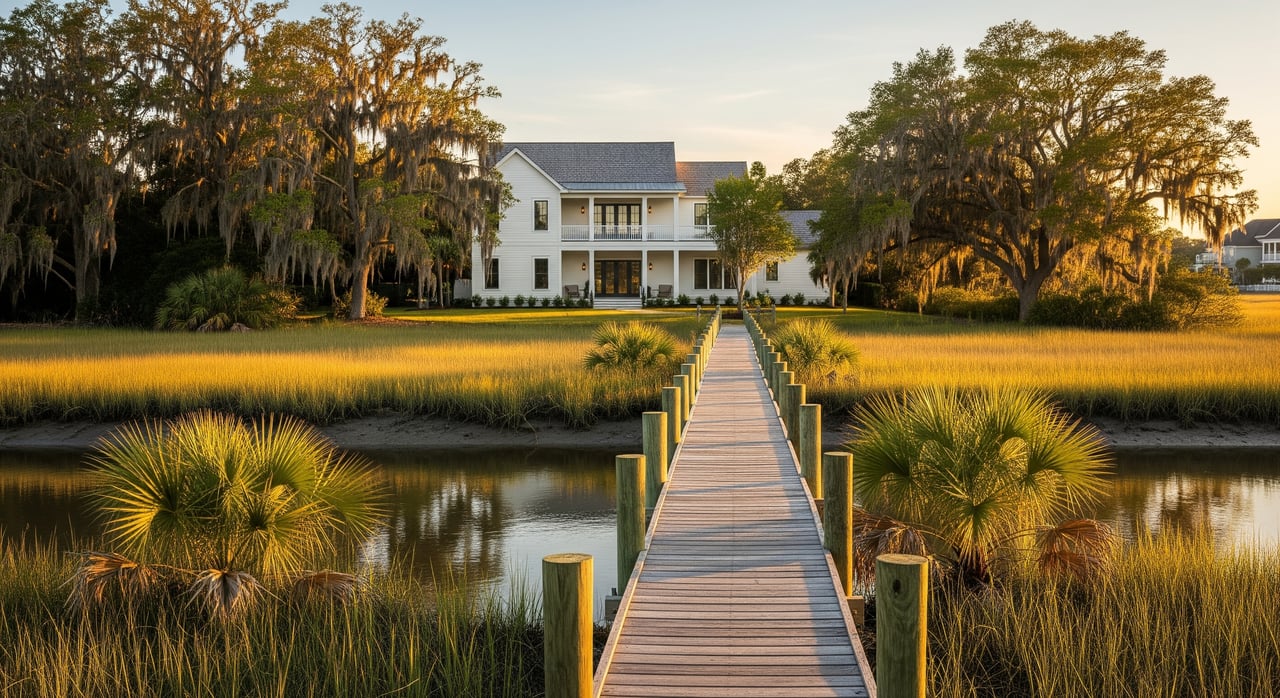
If you picture sunrises over shimmering marsh grass, a skiff at your dock, and dinner on the MarshWalk after a day on the water, Murrells Inlet might be on your shortlist. Choosing the right spot on the inlet, though, takes more than loving the view. Tides, dock permits, flood zones, and shoreline rules all shape how you live and boat here.
This guide breaks down property types, boating access, permitting and insurance, lifestyle trade-offs, and a practical buyer checklist tailored to Murrells Inlet in Georgetown County. You will walk away knowing what to look for, what to verify, and how to choose a waterfront that matches how you actually plan to use it. Let’s dive in.
Marsh-front homes sit along the edge of the tidal marsh. Your “waterfront” is a living salt marsh rather than open water. Views are wide, private, and alive with shorebirds and occasional dolphin sightings.
At low tide, water is shallow. Day-to-day access favors kayaks, paddleboards, skiffs, and other low-draft craft. Some properties have short piers or modest floating platforms, and in certain locations, longer docks can reach a deeper channel.
The trade-off is simple. You get quiet scenery and less wave exposure, but you give up easy deep-water access for larger boats unless a permitted dock extends to navigable water.
Creek-front homes line the tidal creeks that feed the main channels. These creeks vary from narrow, meandering cuts to broader waterways with consistent depth.
Many creek-front properties support private docks with lifts or slips that handle small to mid-size powerboats. Maintenance and performance depend on depth and whether a creek has a dredging history.
Expect a balanced lifestyle. Boating is easier than from marsh-front, and views feel more open. In narrower creeks, you may notice more boat traffic and occasional shoaling that changes with seasons and storms.
Homes on the Intracoastal Waterway, inlet channels, or open navigation corridors sit closest to deep water and fastest to the Atlantic. Vistas are wide, and boating is immediate.
Structures may include longer docks, private slips, and more substantial pilings, all subject to permits and local rules. With the access premium comes higher exposure to wind, waves, and storm surge.
You pay more for the view and convenience and should plan for higher insurance, elevation standards, and stricter construction rules.
Murrells Inlet is a tidal system. Water rises and falls on a predictable schedule, which affects when you can launch, how your dock performs, and which boat drafts make sense at your site.
When evaluating a property, match your boat and dock design to local tides. Ramp angles, lift heights, and floating dock setups need to accommodate regular changes in water level.
Coastal docks commonly use fixed piers, floating sections, and pilings. Boat lifts and covered slips may be limited by state permits or HOA rules.
Timber pilings can last many years but should be inspected for marine borers. Metal and composite options trade higher initial cost for durability. In marsh settings, living shorelines are often favored over hard bulkheads to stabilize edges.
Tidal creeks and channels can shoal over time. If a property relies on a shared channel or a long dock to navigable water, expect periodic dredging discussions. Dredging requires permits and can be a shared HOA or neighborhood effort.
Ask for past dredge dates, permitted depths, and who is responsible for future projects. This history directly affects your daily boat access.
Murrells Inlet and nearby Myrtle Beach and Georgetown offer marinas, fuel, boatyards, and charter services. If you own a larger vessel or want covered storage, confirm where you would keep and service the boat before you buy. Some communities rely on shared ramps rather than private slips.
Any work in coastal waters, salt marsh, or navigable channels usually needs state and federal permits. In Murrells Inlet, the key regulators are the South Carolina Department of Health and Environmental Control’s Office of Ocean and Coastal Resource Management, the U.S. Army Corps of Engineers, and Georgetown County.
Before you make an offer, request seller disclosures for any existing docks, bulkheads, dredging, or shoreline stabilization. Ask for as-built plans, permit numbers, and final approvals. Confirm that what you see on site matches permitted plans.
Easements and riparian rights matter. Mean high water and mean low water lines influence dock placement and frontage rights. Some areas include community docking agreements or shared access that come with rules on slip allocation and maintenance responsibilities.
Flood risk and insurance are central to coastal ownership. Every property should be checked on FEMA Flood Insurance Rate Maps to confirm the flood zone, base flood elevation, and any coastal high hazard designation.
In zones like AE or VE, lenders usually require flood insurance, and local codes expect elevated living areas, breakaway walls under the home, and utilities above base flood elevation. Wind and storm policies also factor into total carrying cost.
Get current flood insurance quotes and, if available, a prior policy summary. Premiums vary with elevation, building age, flood zone, and community programs. If you plan construction or additions, verify setbacks, buffer rules, and height requirements early in the process.
Tidal marshes and adjacent wetlands are sensitive habitats. Many sites now favor living shorelines that preserve habitat while protecting edges. In certain areas, shellfish beds or submerged aquatic vegetation limit where you can place docks or perform maintenance.
If you expect to stabilize a shoreline or add a lift, involve qualified coastal professionals and confirm what is allowed. Upfront clarity saves time and helps maintain the value of your waterfront.
Match the setting to how you plan to use the water. If you want offshore days and quick ocean runs, inlet or ICW-front pays off. If your ideal morning is coffee with herons and an afternoon paddle, marsh-front might be perfect.
Use this list to structure your due diligence before you offer:
Murrells Inlet is known for inshore and nearshore fishing, kayaking and paddleboarding through the marsh, and the MarshWalk dining and entertainment corridor. If being close to restaurants and charter services matters, look near established waterfront hubs.
Broader Grand Strand conveniences are close by. Myrtle Beach International Airport is a straightforward drive north, and regional healthcare options are available in Myrtle Beach and Georgetown. If you live part-time, confirm marina storage, service availability, and the best ramp or haul-out options for your vessel type.
Waterfront purchases in Murrells Inlet involve more moving parts than a typical home. The right agent will help you interpret flood maps, review permits, and connect you with surveyors and marine contractors who work these creeks every day.
If you are also exploring the Intracoastal communities in Myrtle Beach, Grande Dunes, or North Myrtle Beach, it helps to compare how dock rules, elevation standards, and HOA policies differ. A concierge-level approach can save you time and protect value when you are balancing lifestyle, access, and long-term maintenance.
Ready to zero in on the right waterfront fit? Connect with Lindsay Jones for boutique guidance, neighborhood-level insight across the Grand Strand, and a step-by-step plan to buy with confidence.
Stay up to date on the latest real estate trends.

Lindsay is dedicated to helping you find your dream home and assisting with any selling needs you may have. She values the trust clients place in her and works tirelessly on their behalf to offer attention to detail for each transaction. Contact her today so he can guide you through the buying and selling process.