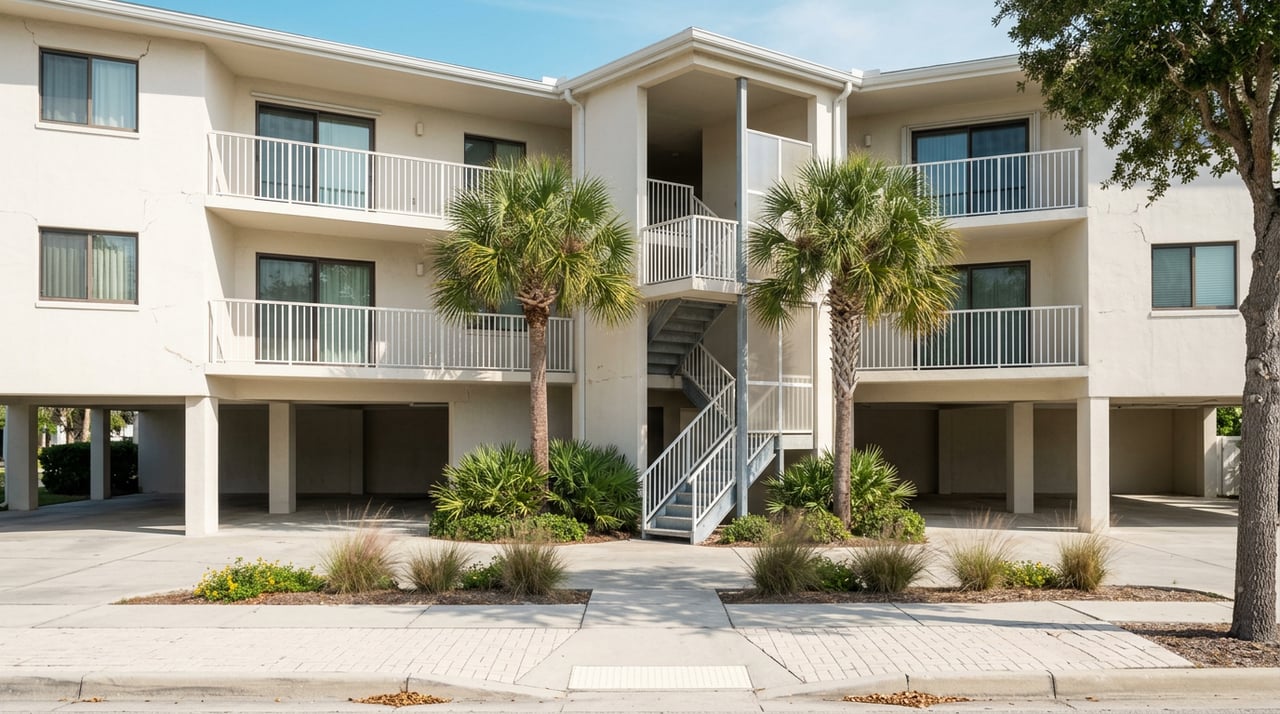
What to Look For in North Myrtle Beach Rental Condos
March 5, 2026
March 5, 2026
If you want a North Myrtle Beach condo that pays its way, the details matter. The right unit can deliver steady bookings and stress-free owner time. The wrong one can tie up cash in fees and rules that block your plan. In this guide, you’ll learn how to spot truly rental-friendly condos, from HOA rules and local licensing to management, financing, and flood risk. Let’s dive in.
North Myrtle Beach sits inside the Grand Strand, one of the Southeast’s most visited coastal regions. The destination welcomed about 18.2 million visitors in 2024, and the tourism board publishes a weekly lodging dashboard you can follow for trends. You can review those visitor and lodging reports through the region’s industry research hub at Visit Myrtle Beach.
Short-term rentals in North Myrtle Beach show solid performance at the market level. AirDNA estimates around 56% occupancy with an average daily rate near $360. Use these figures to size expectations, then test them against each unit’s actual booking history. You can review city-level trends in AirDNA’s MarketMinder for North Myrtle Beach.
Demand runs highly seasonal. Summer months and holiday weekends perform best, while midweek and shoulder seasons soften. Oceanfront units tend to command rate premiums, but they also carry higher ownership and insurance costs. Your model should compare both gross and net results.
A condo is only rental-friendly if the building’s rules and the city’s requirements support your strategy. Start here before you fall in love with the view.
North Myrtle Beach requires a business license for short-term rental operations and expects owners to comply with local rules on noise, parking, trash, and occupancy. As of the city’s current guidance, there is no separate zoning permit beyond standard business licensing. Because policy discussions are active, always confirm the latest updates on the City’s short-term rental guidance page.
South Carolina treats accommodations differently than general sales tax. You must collect and remit the proper state and local accommodations taxes. Some booking platforms or managers may remit on your behalf, but you remain responsible for compliance if you maintain a state account. Verify exactly who files what, and match it to real booking statements. Review the South Carolina Department of Revenue’s accommodations guidance to confirm rates and filing steps.
The City has increased monitoring and enforcement around quality-of-life rules and has publicly discussed possible registration or responsible-party requirements. Rules can change. Track City Council updates and the business license office via the City’s short-term rental page before you go under contract.
Association documents control how you can rent. A friendly building makes your plan simple. A restrictive one creates friction and cost.
Read the CC&Rs, bylaws, and house rules closely. Look for minimum lease terms, any cap on rentable units, registration requirements, platform or advertising restrictions, guest and pet policies, and owner-use windows. If the language feels vague, ask for written clarification from the association or its counsel. For background on typical condo document issues, see this overview of CC&Rs and association rules topics from a legal resource publisher that covers homeowner association governance. It is essential to request and review the most recent versions before you write an offer.
Some resort-style buildings operate like condotels with on-site front desks and required rental programs. These can drive higher occupancy through walk-in and package business, but commissions may be much higher than off-site agencies. Other buildings let you choose a local manager or self-manage, often at lower commission levels. Compare net results after all fees, not just top-line revenue.
Healthy reserves signal fewer surprise assessments. High delinquency rates or thin reserves can indicate risk. Lenders also consider these metrics, which can affect your buyer pool at resale. Fannie Mae’s project review standards highlight how budgets, reserves, delinquency levels, litigation, and commercial space mix factor into warrantability. You can reference Fannie Mae’s condo project review criteria when evaluating a building.
Different building styles change both your guest appeal and your bottom line. Match the form to your plan.
Oceanfront towers typically deliver the highest ADR and strong seasonal occupancy. Expect higher HOA dues for elevators and amenities, plus elevated insurance and maintenance due to salt air and storm exposure. Condotel-style buildings often require use of the on-site rental program, which can increase commissions and limit owner control. Model net cash flow carefully.
Smaller or mid-rise buildings often have simpler amenities and more flexibility to choose your manager. HOA dues are often lower, and independent owners may see stronger net margins. ADRs may trail oceanfront towers, but lower costs can balance the equation.
Second-row units usually trade at lower purchase prices and carry lower insurance and maintenance costs. Oceanfront commands a premium but comes with higher exposure to wind, flood, and salt. Price both options using realistic ADRs and true carrying costs, then decide which mix of risk and return fits your goals.
Your management choice changes guest experience, revenue, and workload.
Pros: built-in marketing, walk-in traffic, and consistent hospitality standards. Cons: higher commission splits and possible owner assessments for marketing or housekeeping. Clarify who controls cleaning standards, amenity access, and guest services, as these affect reviews and repeat stays.
Many owners prefer off-site managers with 15 to 30 percent commissions. Check the fine print. Some managers pass through platform fees, cleaning, and maintenance. If you plan to self-manage, confirm the HOA permits it and know who will respond to after-hours issues.
How a project performs under lender standards will affect both your financing and your exit strategy.
Fannie Mae and FHA set rules for condo projects. Items like owner-occupancy thresholds, budget reserves, delinquency rates, litigation, and commercial space can make a project “non-warrantable,” which narrows the buyer pool and can require portfolio or higher-cost financing. Ask your lender early whether the project is warrantable and review Fannie Mae’s project review criteria.
Active litigation or frequent special assessments can pause financing options and signal future costs. Review meeting minutes and assessment history before you commit.
Use this quick list to confirm a condo is truly rental-ready.
A rental-friendly North Myrtle Beach condo checks four boxes: clear HOA permission for your rental strategy, straightforward city licensing and tax compliance, management that fits your style and budget, and a building that lenders will support at resale. Pair market benchmarks with the unit’s actual history, and price in coastal insurance and maintenance. With a smart process, you can enjoy the beach and let bookings cover a meaningful share of your costs.
If you want a curated short list of buildings that align with your goals, or you’re ready to compare actual revenue statements and HOA rules side by side, reach out to Lindsay Jones. You’ll get concierge-level guidance and local insight from the Grand Strand to North Myrtle Beach.
Stay up to date on the latest real estate trends.
Lindsay is dedicated to helping you find your dream home and assisting with any selling needs you may have. She values the trust clients place in her and works tirelessly on their behalf to offer attention to detail for each transaction. Contact her today so he can guide you through the buying and selling process.